

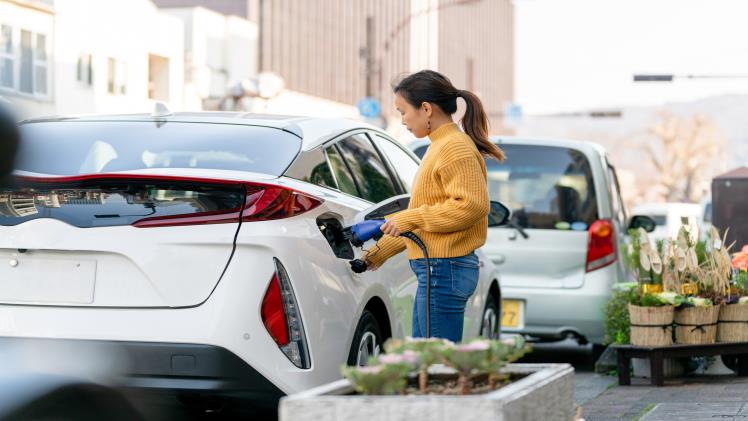
There are many different electric vehicle options on the market right now. These cars are expensive and loaded with features. In this article, we examine the strategies for lowering the price of EVs and making them more affordable. Below, we go over how to make EVs less expensive.
Establish Infrastructure For Charging:
The issue of battery range limitation can be resolved by creating an adequate charging infrastructure. Fast-charging locations at predetermined intervals and battery-swapping locations fall under this category. In this manner, the cost can be decreased by reducing the overall battery power. Additionally, the vehicle’s overall weight may be reduced as a result, which would increase its energy efficiency. The deployment of charging infrastructure can be done city by city, with priority given to the towns contributing the most significant number of vehicles.
Boosting The General Effectiveness Of Vehicles
The government can incentivise car makers who strive to increase vehicle efficiency and reduce energy use. This allows for a smaller battery size while maintaining an acceptable range because the vehicle can travel a greater distance per kWh of energy. Energy efficiency can be increased using more energy-efficient electric motors, better tyres, better aerodynamics, and lighter vehicles.
Choose Suitable Battery Chemistries And Research New Ones
The battery pack accounts for the majority of the cost of an EV, as we already mentioned. As a result, we must use the best battery chemistry corresponding to a given region’s temperature. The price of various battery-related materials must also be studied. Based on the analysis, we can use less expensive chemistry that offers good efficiency. Battery components must also be obtained through the recycling of old batteries.
Give EV Financial Support
The government already offers tax breaks and subsidies to businesses that make electric vehicles or the parts that go into them. This will promote the early adoption of EVs by both consumers and manufacturers.
Government agencies may also experiment with tradable car emission credits or coupons based on the CO2 emissions of individual vehicles.
In addition to the promising future of electric vehicles, the insurance industry is also adapting to accommodate the growing popularity of electric transportation. As more electric cars, electric bikes, and e-scooters hit the roads, insurance providers are offering specialised coverage options to meet the needs of electric vehicle owners. Electric car insurance, electric vehicle insurance, electric bike insurance, and insurance for e-scooters are all emerging segments within the insurance market
Insuring electric vehicles typically involves considerations unique to these vehicles, such as the cost and availability of replacement parts, specialised repairs, and the intricacies of battery technology. However, as electric vehicles become more mainstream and their production scales up, electric car insurance costs are expected to become more competitive and aligned with traditional vehicles.
It’s worth noting that electric bike insurance and e-scooters may vary depending on local regulations and the specific type of vehicle. In India, having insurance coverage is mandatory for all vehicles to be driven on roads. As the popularity of electric bikes and e-scooters increases, providers offering insurance for e-scooter are developing tailored policies to address the unique risks associated with these modes of transportation. *
*Standard T&C apply.
Insurance is the subject matter of solicitation. For more details on benefits, exclusions, limitations, terms, and conditions, please read the sales brochure/policy wording carefully before concluding a sale.
